
MORTGAGES
Bad Credit Mortgage
Mortgage advice for those with bad or poor credit
Bad Credit Mortgage
No matter what type of house you are looking to buy or how much you want to spend, one thing is for sure; you will need a mortgage to buy that property.
When it comes to securing a mortgage, there are various lenders that you can turn to secure the money you need to buy a property. For many people, this may be a stressful, time-consuming but successful process that leaves them with the funding that they require to buy their dream home.
However, this is not true for everyone. In order to get yourself a mortgage, then you are going to need to be approved to borrow the funds. This means that you will have to pass through affordability checks, employment status checks, and credit checks.
All of these checks form a vital part of the mortgage process, and it goes without saying that you are going to want to pass through them all with as little stress as possible.
Unfortunately, being approved for a mortgage is not something that will be possible for everyone, and one of the main reasons for this is bad credit. But what is actually meant by bad credit, and what can you do to stop this from happening?
Here is our in-depth guide to everything you need to know about bad credit mortgages and how they may work for you.
Looking for Something Else
Talk to An Expert Now
Get in touch for your free initial consultation and no obligation advice
What are lenders are looking for when approving a mortgage with bad credit
The first place to start is by looking at the kind of information that a mortgage lender will want to see during your application. When you know this, then it gives you the chance to work out whether or not you will have a good chance of being approved for your mortgage request.
Of course, every lender has their own requirements; that said, there is an industry “norm” that you are most likely to see form part of their check list. These are things that signal to the lender whether or not you are someone who is going to pay back any money that you have borrowed. If they feel that you are likely to be a safe borrower, then they are going to be much more likely to say yes to your application and approve your request for borrowing.
One big part of your application is your income. It is the case that a lender will want to lend money to those who have an income that is stable and predictable. This is because those who have a steady income that comes in every single month are the ones who can budget for their payments and are then most likely to make the required payments on the account.
They are also going to want to use your income details to perform an affordability assessment and your current debts to see your debt to income ratio. This will take into account any current obligations that you may already payout on a month-by-month basis and then show them how your financial status is looking.
If you already pay out a high proportion of your salary on debts, they will ascertain that you don’t have enough left to pay out for your mortgage and, therefore, you are more of a risk of missed payments.
You will need to be able to prove the income that you state that you have as a part of your mortgage application, so ensure that you are only ever using information that is up to date and accurate, else you could find yourself in trouble in the future.
You may also find that a mortgage lender will want to look at your assets. These are things you have aside from your primary income. If you have these, it could be a savings account or perhaps a stocks or bonds account.
If you already have high-value assets in place, you are showing the lender that you are taking your savings and finances seriously, which means you are at a much lower risk. They also know that you have some money put away should you face financial hardship, which to them, means that you are going to be still able to make any required payments on your mortgage account.
As well as these things, your chosen lender will perform a credit check on you and anyone else who is named as an applicant on your mortgage. The outcome of this check is a massive part of your overall request, and not passing this part, even if the others come back clear, could mean that your mortgage request is denied.
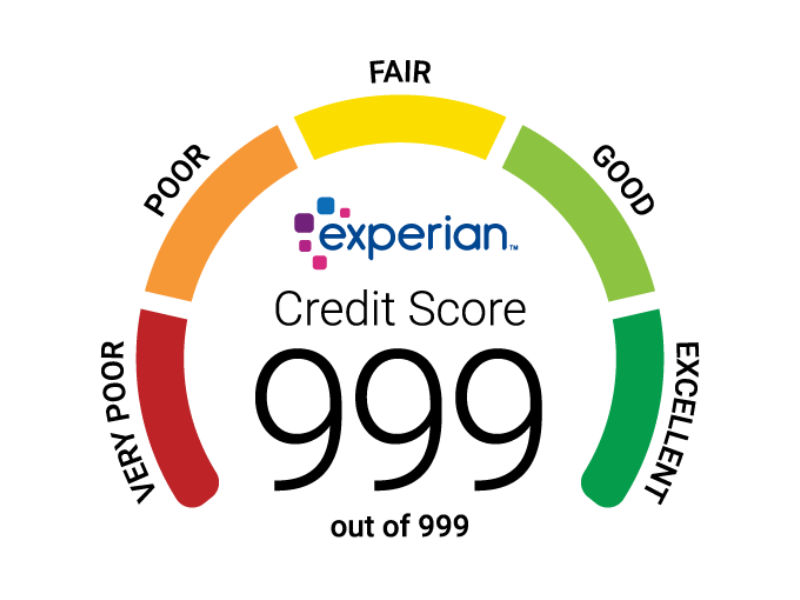
Check your credit history
Have you been declined for a mortgage by a standard high street lender? The chances are that this happened because they have seen something negative on your credit history. It is essential that you identify this and then find a way to fix it. The first thing that you should do is look at your credit rating. This can show you just where you have been going wrong.
Several things are going to impact your credit rating. Some of them will take time to fix, such as late payments on credit or overuse of credit facilities. But as well as this, there are also some things that you can fix relatively quickly. Examples of this include any mistakes or errors on your report that could be bringing your rating down. You might find that your report shows the wrong address for where you live or that you have credit accounts listed against your name that have already been closed down.
One of the simplest things to fix is when you have found out that you are not on your property’s electoral roll. Not being listed is something that can be highlighted on your credit record and cause some issues in securing a mortgage.
What is a credit check?
The chances are that you already have heard about credit checks and know a little about what they are. For those of you who are not sure or just want to confirm your understanding, a credit check is when a company will look at the information contained with a credit report about you. It covers all of your financial behaviour and will include the debt you have and how you have been keeping up with the payments that you need to make on it.
It will also look at the ways that you use the credit that you have and whether the accounts are well managed.
Within a credit check, there are a variety of things that will be taken into consideration. Essentially it is anything you have agreed to borrow and then pay back the money (or used credit to pay for goods at certain retail stores).
Credit facilities can come in the form of credit cards, loans, mortgages and overdrafts, as well as any credit agreements that you signed up to.
These don’t have to be massive amounts, and they even include things such as your mobile phone or any other devices that you have as a part of a monthly contract.
The credit report will show how much credit you have across all of these accounts and how much and how often you pay off the facility. When this all comes together, it creates a detailed financial picture of you and your current situation.
What Our Customers Say
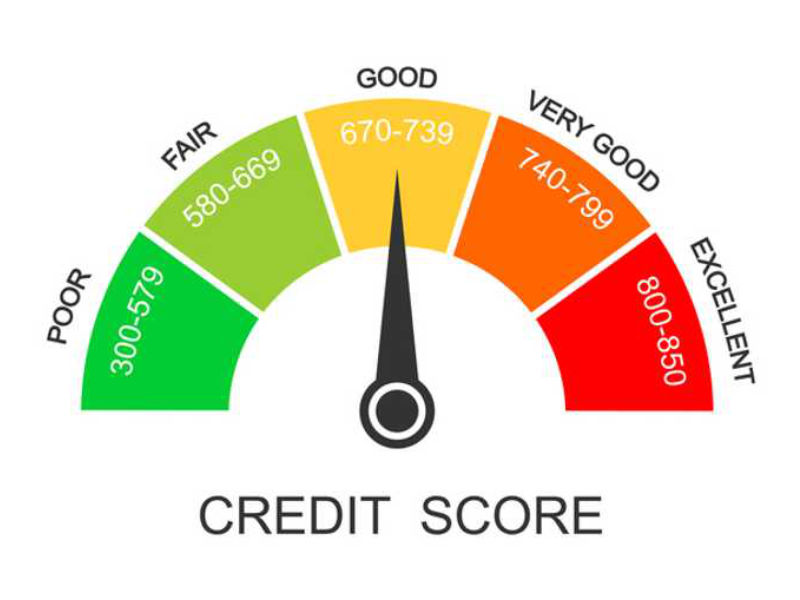
What makes for a low credit score and negative credit check?
Many things can mean that your credit rating is low. Some of them are relatively obvious, whereas others might not be things that you even think would impact your credit rating and in turn your chances of being approved for future borrowing.
The first one is your payment history. This is one of the critical parts of a credit score. Every time you make a payment on a credit account, on time and in total, that is one big tick against your name. However, every time you miss a payment, make a partial payment or are late making the payment, you will see your credit rating decrease.
Next, your credit check will also look at how much money you owe. It is more than just a straightforward, “you owe this amount on these accounts” credit check agencies will also want to consider your credit utilisation ratio.
They will want to look at your total credit and how much credit you have already taken out. This will show them how reliant you are on your credit facilities and how likely they will build up again.
How long you have had credit accounts will also play a part in your credit score. The longer you have had your credit accounts for will higher your credit score. This is because it shows that you have been able to manage credit over the years and that you are more likely to know what it takes to look after your borrowing in the future.
A credit score will also see the types of credit you have taken out. Those who have high credit scores will usually have various credit accounts in their names. Of course, you may worry that this shows you in a negative light and that you are borrowing more than you can afford, but, in actual fact, it shows them that you can balance your borrowing across a wealth of different areas and types of account.
Finally, a credit score will also look at the new credit accounts you have opened and how many inquiries you have made against your name. If you have too many bills or have made too many requests for credit in recent times, this will negatively impact your credit score and lessen your chances of getting a mortgage.
Why Choose Us





What can you do to minimise the risk that your credit score is low?
If you find out that you have a low credit score, then you are going to want to find a way to try and change this. If not for the future applications that you may make, but also for your own peace of mind.
The good news is that there are things that you can do yourself to ensure that your risk of having a low credit score is reduced. Of course, if you have already done the damage that can occur with a low credit score, then this can be hard to fix. However, there are things that you can do to try and bring your score back up.
It is worth noting before we go further into these tips that it is always a good idea to try and bring up your credit rating long before you look at buying a house. It can take some time to recover from bad debt, and if you are keen to make the house buying process even more accessible for yourself, you will want to give yourself the best chance possible.
We have already covered some of the things that are looked at within a credit check, so you know more about what will be highlighted. However, one thing you can do to try and limit your chances of being declined is to make sure that all the details held about you are right.
Sometimes, a credit report may contain inaccurate or outdated information, which means that it is always worthwhile to look at what your credit report contains.
There may be minor issues with your report that you may not think have that much of an impact, but the truth is, even the most minor errors can change how you are seen as a borrower.
Next, you will want to make sure that you pay off any debt that you have on time and to the required amount. Of course, you can just remember to do this on time, but if you are worried that you will forget, you need to have automatic payments set up.
It is also essential that you do what you can to reduce the amount of debt you currently owe. It is too tempting to use other credit facilities to pay off your debt, but this will not reflect positively on your overall credit score. You want to try and pay off your debt using the conventional methods and only ever open new credit accounts if you really need them.
Aside from your actual credit and how your report looks, there are other things that you can do within your life to tackle your financial health. Doing these will improve the chances that you will pay off the debt you have and bring up your credit score.
One of the critical things to look at is how you spend money. It is almost impossible to try and cut down your expenses and costs if you don’t know what you spend money on each month. So, the first thing to do is track your expenses and note them down.
Once you have this, you can look at the areas where you can reduce your spending and the changes you can make to best manage your money.
It is also a good idea to try and find ways that you can bring in additional income. Of course, this is easier said than done, but you can take on extra work or even sell things that you have in-home that you don’t use because they are not helpful for you right now; that doesn’t mean that they won’t be for someone else.
Can I obtain a mortgage loan if I've been bankrupt or am presently insolvent?
If you have actually been made bankrupt in the past 6 years as well as are either struggling to obtain a home mortgage or worried that you might not be accepted, there are post-bankruptcy mortgage options offered as well as we can help!
If you have been discharged for at the very least year, there can be available mortgage providers that agree to check out your options and also potentially also provide a bad credit mortgage, your interest rate might be a little greater initially, as mortgage lenders will consider you a higher risk. Nonetheless, if you maintain your repayments, your credit scores ranking should enhance and also need to allow you to remortgage to a standard home mortgage with a reduced price after a couple of years.


Will an Individual Voluntary Agreement (IVA) impact my mortgage?
Some mortgage providers will automatically decline an application from anybody that has ever had an Individual Voluntary Agreement (IVA) in place. This is since a background of being on this type of financial obligation settlement plan shows that the person has actually had issues with their commitments in the past.
However if you have (or have had) an Individual Voluntary Agreement, do not despair. An expanding variety of bad credit mortgage lending lenders are accepting applications from those that wish to mortgage or remortgage with an Individual Voluntary Agreement on their credit history file. These firms will investigate your credit rating issues and also evaluate them according to their regularity as well as seriousness.
If you can, wait until you have either end up paying the IVA off or it has dropped from your data prior to applying for a mortgage. (It typically takes 6 years for an Individual Voluntary Agreement to vanish.) Doing so will enhance your credit scores profile as well as provide you accessibility to better mortgage deals.
If this isn’t possible, and also you’re eager to buy on a brand-new home or remortgage your existing residence while the Individual Voluntary Agreement is still existing, call our brokers to discuss your situations in more detail as well as they will certainly be able to advise on which lenders may accept you.
Can I get a mortgage with a CCJ?
Some mortgage lenders will disregard your situation straightaway if your credit report data contains reference of a county court judgement (CCJ), even if it has actually been satisfied. Bad credit mortgage lenders, however, will certainly take a more positive view on the scenario as long as you fulfill other distinctive qualification requirements, you have a fairly sized deposit (generally 15% or more), and/or your CCJ was registered greater than three years ago.
CCJs registered in the last twelve months will certainly have a lot more of an adverse impact on your opportunities of obtaining a mortgage but is not impossible depending on the overall profile, including number of CCJ’s, wether they are satisfied CCJ’s or still outstanding has an impact on the type of lender available.
Because it provides us with a complete in-depth and up-to-date breakdown of your current credit situation, allowing us to pinpoint specific bad credit lenders, who’s criteria will mould around your credit profile, taking into consideration the credit score, along with the exact date, type of credit and amount for each default, CCJ and/or arrears. Bad credit lenders will analyse your adverse credit file in more detail to work out what happened, how long ago it happened, and what impact the incident( s) had on your overall financial position.
CCJ’s can remain on your credit file for 6 years, even if they are paid of during this time

Can I obtain a mortgage with a default?
Numerous lending institutions will certainly not lend to somebody with defaults on their credit report file. You’ll be pleased to hear that there are some bad credit mortgage lenders that specialise in mortgages for people with defaiultss and will be prepared to review all of your credit reportsand assess the level of risk involved in the loan from there.
Much like with CCJs and other type of late payments, your capacity to get a mortgage with defaults will truly depend upon how long ago these defaults occurred, the types of accounts you owed money to, and when these debts were settled.
Satisfied defaults are considered much better than unsatisfied ones, because they are proof that despite the fact that you have actually fallen short to settle your financial obligations in the past, you have actually considering that corrected your financial resources. Minor defaults, such as missed phone agreement payments, will certainly be taken less seriously than defaults made on home mortgage repayments or personal loans.
Defaults can remain on your credit file for 6 years, even if they are paid of during this time.
Can I get a home mortgage if I'm on a Debt Management Plan (DMP)
Yes– however you will need to be able to confirm that you can manage your mortgage repayments in addition to any Debt management Plan repayments.
If your Debt Management plan has actually been in active for some time, and also you have actually been efficiently satisfying all your repayment commitments because it started, many mortgage providers will consider you to be a lower risk prospect, as you have actually currently confirmed that you have the methods to satisfy the plan’s terms. If you have actually obtained the DMP in the last 6 months, however, your options might be much more restricted.
Your case will certainly depend upon what these debts were relating to. If you are on a plan to pay off unsettled store credits, bad credit mortgage lenders will be likely to look at your situation more favourably than if you are still tackling missed mortgage payments.
Keep in mind that if you are preparing to get a mortgage on adebt management plan, your income multiples might be impacted– and also it’s these multiples that ultimately identify just how much you can borrow. Someone with a clean credit data and also no DMP may have the ability to acquire up to five times their income, whereas a person on a DMP might only be offered four times this total amount.
You may also find that due to your bad credit, your are subjected to greater rates of interest, and/or you are required to have a larger depsoit to satisfy the mortgage lenders risk mitigation criteria.
I have bad credit. Do I need to give up on the idea of buying a home?
The short answer to this is no. You don’t have to give up on the idea of buying your own home just because you have a poor credit rating. It just means that things will be a little trickier for you and that you may have a few more hurdles in your way to owning your perfect home.
The good news is that there are mortgage lenders out there who know that just because you have had some credit issues in the past (or even in the present), this doesn’t mean that you will not be able to recover from them. They also know that there is always a good chance that you will prioritise your home over other outgoings.
This may not sound like the right way to look at lending money, but to that lender, the money that you owe them is the most important and should always be paid back.
What do I need to know about bad credit mortgages?
One of the main things that you need to know about bad credit mortgages is that they may take more time to find than a standard mortgage for those with a good credit rating. This is because the high street lenders do not offer them other mortgages.
However, just because they are harder to find, this doesn’t mean that you have to stop looking. It just means that you may need to take more time and make more effort to ensure that you have the right mortgage offer for your needs.
The idea of a bad credit mortgage is designed for those who have poor credit. They will be offered by lenders who can be more flexible in their lending, and they will make their lending decisions based on other aspects of your life rather than just your credit rating. They will often want to look at the severity of your borrowing and credit issues over the years, and they will want to see if there is a high chance that your credit issues will reoccur in the future.
It is worth knowing that a bad credit mortgage is more likely to come with high-interest rates when compared to a standard mortgage, and there is also a chance that you will be asked to provide a higher deposit amount than you otherwise would.
How do I get a bad credit mortgage?
The first thing you need to ensure is to find a mortgage lender who is understanding and experienced in bad credit history mortgages. They are not only much more likely to approve you for a mortgage, despite having a poor credit rating, but they can also give you advice on the borrowing in the first place and how the process may work.
Whilst every lender will have a different process for you to follow, you can still learn more about how it usually works and prepare yourself for what you will need to do.
As we have already covered in this article, you should take the time to look at your credit report and ensure that they are all up to date. You should also think about ways that you can improve your score and your financial situation at the same time.
You may have already started to, but now is the time to get saving. You will need to have a deposit put aside for your mortgage, and of course, saving isn’t always easy to do. But, if you think about it carefully, budget, and plan, you are going to increase your chances of having a deposit to put down against your dream home.
Once you feel that you are in a good position, you should start to think about where you will apply for a mortgage. You want to limit the number of credit checks that are performed against your name, which means that you should not be making too many requests. This can decrease your credit score and make it even harder when you do find the right mortgage lender.
Which lender is best for bad credit mortgages
Every lender is different, and you will want to take the time to assess whether or not they are right for you. There are some things that you are going to want to look at. You will want to know how much they are willing to lend you as a part of your application, as well as how much of a deposit they are going to expect you to payout.
You also want to learn more about the deals and rates that they can offer. Of course, you can expect to pay higher rates or not be able to access the same deals as those with a better credit rating, but you can still shop around to see what is available to you.
You must have in mind the fees you will need to pay out as a part of your mortgage and house purchase. These include legal fees, stamp duty, booking fees, and valuation fees.
No matter which lender you choose, they will want to see a variety of documents to prove what you have said is true. This means that it is always worthwhile to get together the essential financial records you will need to show your chosen lender and have them to hand. This means that your mortgage application will be processed as quickly as possible, and you shouldn’t see any delays in getting approved.
Bad credit ratings can be scary, and you may think that you will find it incredibly hard to get out of the rut, especially if you have plans to buy a home in the future. However, this is not the case.
Bad credit is something that you can bounce back from, and even if you feel that there has been no hope, there are always those out there who want to help.
So, think positively and make sure that you don’t give up on the idea of owning your own home and getting yourself on (or further up the property ladder).
Help is out there; you just need to know where you will be best placed to find it.
Speak to an expert about a bad credit mortgage.
Once you have got a handle on your own spending, checked over your credit history and made any changes. Then is the time to speak to someone who can help you to apply for a mortgage with bad credit.
It is worthwhile speaking to a bad credit mortgage broker. Their aim is to advise you on the best actions to take. They can also advise you where you may be more likely to secure a mortgage. They can guide you through the process, helping you to do the right things to help boost your chances.


Speak to us – Bad Credit Mortgage Broker
It can be stressful to find how best to obtain a mortgage with bad credit. However, this doesn’t mean that you should give up on your dreams of owning your own house. It may take a little longer and a little more work, but we can promise you that it will be worthwhile in the end. With our help, you can make sure that you have the best chance of being approved for a mortgage. Whether it is with bad credit, you are self-employed or any other reason that may make securing a mortgage harder for you.
How it Works
The Award-Winning Matrix Mortgages Process – Easy as 1,2,3! Follow Our 3 Simple Steps to Securing Your Dream Home
1
Enquire
Complete our quick and easy contact form, email, call or WhatsApp us to get started
2
Apply
We handle all the necessary paperwork and help manage your entire mortgage process
3
Complete
All done. Sit back, relax, and feel great about your decision to work with us
Explore some of our other pages
FAQ
A mortgage is a loan from a bank or building society that allows you to purchase a property. The loan is repaid over several years with interest dependent on your personal financial situation.
A mortgage can be between one or more people. However, if you do not keep up your repayments, the lender can repossess your property.
All mortgage lenders have their own requirements. The following factors take a part in whether you will be given a mortgage offer, and how much the lender is willing to borrow you:
- Amount you wish to borrow
- Size of your deposit
- Employment status and income
- Credit rating
- Outgoings
- Existing debt
- Your age
- Length of the mortgage term
- Your credit status
- If you are applying solely or jointly
To be accepted by a lender, you need to assure lenders that you can repay your mortgage. One main aspect lender’s look at is your credit report to check your repayment history. Your credit file will include current and existing records on items such as credit cards, loans, overdrafts, mortgages, mobile phone/s, some utility payments and all accounts that have been open in the last 6 years. If your credit report shows arrears, defaults, CCJs, debt management plans or bankruptcy in the past, there are mortgage options available which we can help you with.
To get a mortgage you will need to save a deposit of at least 5%, but the more you save, the better your mortgage rate will be. If you have an existing property you own, you can use the equity in your property for this. Our skilled mortgage advisors can talk and guide you through the benefits and the difference in your monthly payments by increasing your deposit.
As soon as you have found the property you want to buy, our mortgage brokers will evaluate your personal needs and situations and recommend a mortgage product that is right for you. They will compare a wide variety of mortgage quotes, including products that cannot be found on the high street or comparison sites. This guarantees that you get the right deal at a right price.
If you agree to the mortgage product your advisor suggests, you will receive your Agreement in Principle (AIP). This will provide you with an estimated total of how much the lender is willing to borrow you and allows you to put an offer in on your ideal home.
If your offer is accepted, you will need to arrange a solicitor to deal with searches, surveys and contracts, which we can arrange for you. We manage the entire mortgage application process through to completion, liaising with your solicitor and lender to make sure your application is successful.
There are different mortgage options such as a remortgage. In this case we would recommend looking for a new mortgage deal approximately 3 months before your current deal expires. By beginning the mortgage process early it will allow you to prepare ahead of time to compare all the available mortgage products and submit your application. Do not worry if your mortgage is approved early as we will ensure that the completion date corresponds with your current deal’s end date.
A lot of mortgage lenders will lend you up to five times your salary. However, this all depends on several factors including your age, number of dependants and current financial commitments. Lenders will work out how much they will lend you based on what you can reasonably afford each month after you have paid your bills, credit cards, loans etc.
In addition, our mortgage advisers will assess your individual needs and situations to see how much you can realistically borrow before an application or credit search is completed. If you choose to continue with the application, our advisers will understand which mortgage lenders to approach to ensure you get the required loan amount.
In order to buy a property with a mortgage, you will need to save a deposit of at least 5%. However, the more you can save, the better your rate will usually be. There are a few exceptions to this as follows:
- If you already own a home, you can use the equity from your property for the deposit
- If you are a council tenant and are looking to buy your current home under the Right to Buy scheme, most mortgage lenders will now accept your Right to Buy discount as a deposit.
As property prices increase, first time buyers are struggling to save enough money to buy a home. In cases like this the government has therefore introduced ‘Help to Buy’ to allow first time buyers to get on the property ladder.
Our expert mortgage advisors are aware of various mortgage deals available and can help you decide which mortgage deal best fits your needs.
When buying a home, you will need to save enough money to pay for other factors and not just your mortgage deposit. This also includes paying for your mortgage fees, moving costs and legal expenses. We have listed below all the possible purchase and moving expenses you may have to pay, to help you with your budgeting. The exact fees and amount you will pay, is dependent on the value of the property you are buying and your chosen mortgage lender.
Mortgage booking fee: Some mortgage lenders will charge this to secure a fixed-rate or tracker deal.
Cost: £99 – £250
Mortgage arrangement fee: Some mortgage products will incur a mortgage arrangement fee, in addition to the mortgage booking fee. This fee is either paid upfront or added to your mortgage debt. If you chose to add it to your mortgage, the cost will increase over the lifetime of your mortgage.
Cost: £1,000 – £2,000
Telegraphic transfer fee: Needs to be paid to the lender to transfer the amount you are borrowing for the mortgage to the seller’s solicitor.
Cost: £25 – £50
Mortgage broker fee: If you use a mortgage advisor to arrange your mortgage for you, you will need to pay a fee or commission, depending on the value of your mortgage.
Cost: £197- £597. However, this may vary if you need to use a specialist lender
Valuation and survey fees: Charged by the lender to value the property you are buying. The cost varies according to which survey you choose:
Home condition survey: Most basic and cheapest of all the surveys and often used for new-builds.
Cost: £250
Homebuyer’s report: More in-depth survey, assessing the inside and outside of the property, and also includes a valuation.
Cost: £400
Building survey: A complete survey generally used for older or unconventional properties. Although they are the most expensive, they are certainly worth considering, as it could potentially save you a lot of money if any structural problems are found with the property.
Cost: £600
Higher lending charge: Can be charged by lenders if you borrow most of the value of the property.
Cost: Approximately 1.5% of the amount you borrow
Searches: Your solicitor will arrange for the local authority to check whether there are any issues that could affect the property’s value. The local council can charge a fee for carrying out these searches and may also request that a drains search be done at the same time.
Cost: £250 – £300
Legal costs: You will need to instruct a solicitor to carry out the necessary legal work for you.
Cost: £850 – £1,500 plus VAT
Stamp Duty Land Tax (SDLT): Charged on all purchases of UK land and property over £125,000. However, the amount you will pay is dependent on the purchase price of the property you are looking to buy, and whether you have owned a home before as follows:
First home: First-time buyers are exempt from paying SDLT on the first £300,000 of the purchase price of a property up to the value of £500,000. All purchases in excess of £500,000 will pay the standard stamp duty rates as follows:
- £0 – £300,000: 0%
- £300,001 – £500,000: 5%
Next home: If you are currently or have previously been a homeowner, you usually pay SDLT on increasing portions of the property price:
- £0 – £125,000: 0%
- £125,001 – £250,000: 2%
- £250,001 – £925,000: 5%
- £925,001 – £1.5 million: 10%
- £1.5 million+: 12%
Second property: If you are looking to buy an additional property, you usually have to pay 3% on top of the normal SDLT rates as follows:
- Less than £125,000: 3%
- £125,001 – £250,000: 5%
- £250,001 – £925,000: 8%
- £925,001 – £1.5 million: 13%
- £1.5 million+: 15%
For example, if you buy a next home for £275,000 the SDLT you owe is calculated as follows:
0% on the first £125,000 = £0
2% on the next £125,000 = £2,500
5% on the final £25,000 = £1,250
Total SDLT = £3,750
Information correct as of October 2021 – Source: www.gov.uk/stamp-duty-land-tax
Removal costs: Paid to the removal firm (if you choose to use one) to pack, transport and deliver your possessions to your new home.
Cost: £300 – £600
Latest News, Blogs and Content
Keep up to date on the latest news in the mortgage industry with our Blogs and great tips in our Vlogs from our experienced mortgage advisers along with our ever buzzing socials

How Much Can You Borrow? Let’s Discuss Your Options Today